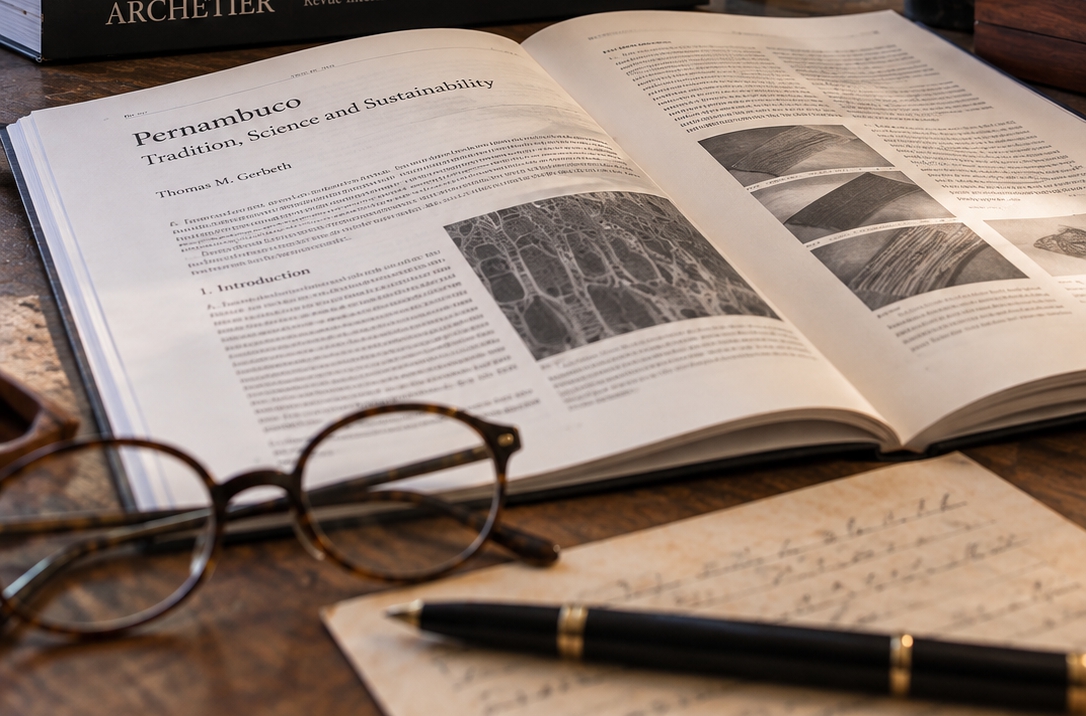
To Copy or Not to Copy
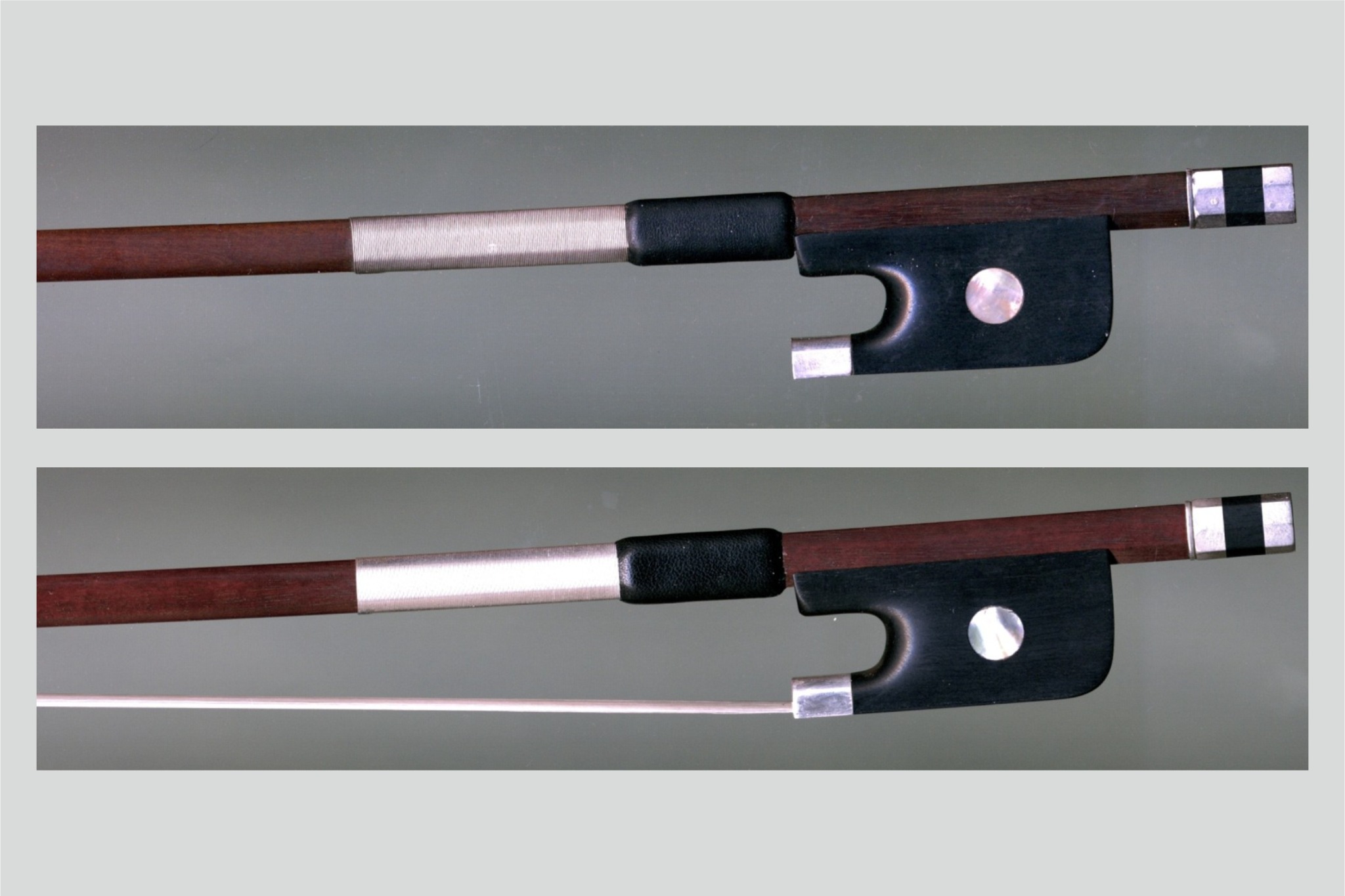
What violinist, violist, or cellist has not dreamed of owning a genuine Tourte bow and performing with it? But what makes these masterpieces of bow making so fascinating? Is it simply the prices they fetch at auction, or the widespread legends surrounding this …
Read article →The Camber of the Bow
Few musicians, whether professionals or amateurs, have the opportunity to look over a Bogenmachermeister’s shoulder as a bow—perhaps even their own—is being made. Many bow makers produce bows in larger batches and then let customers choose the one that suits them from a wider selection …
Read article →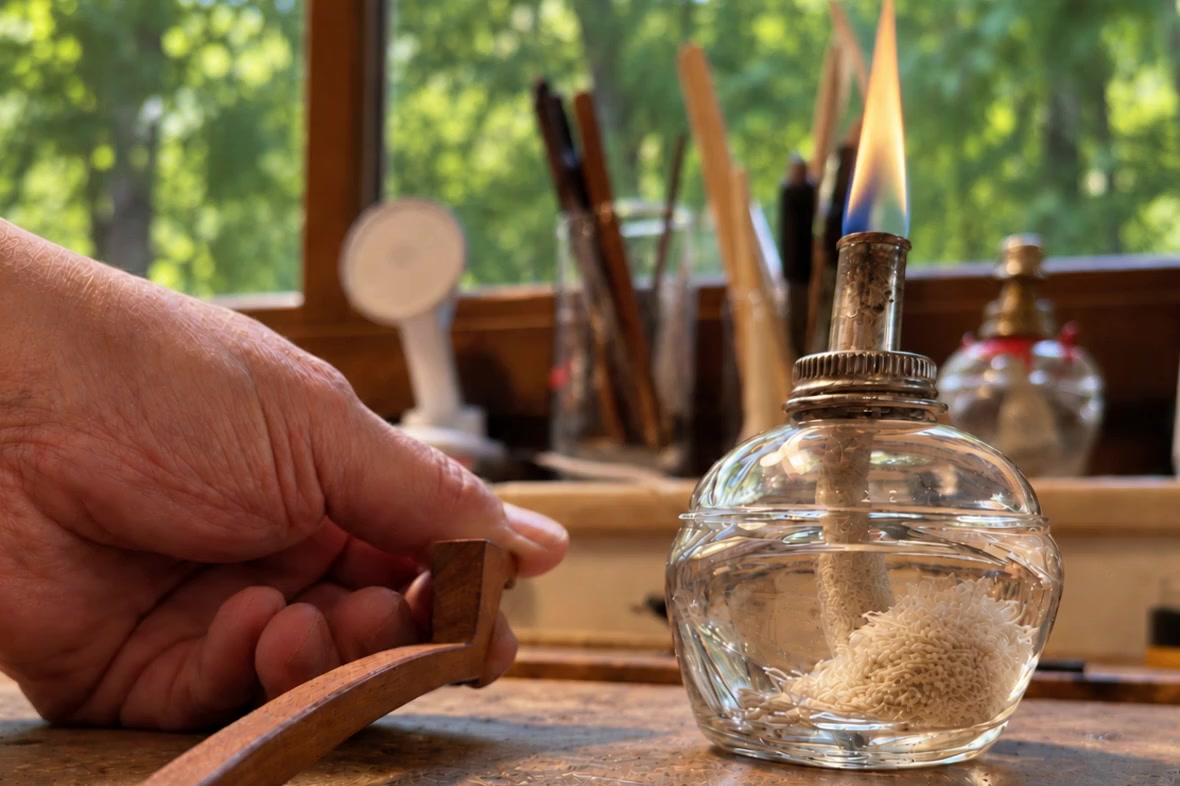
Less Is Often More
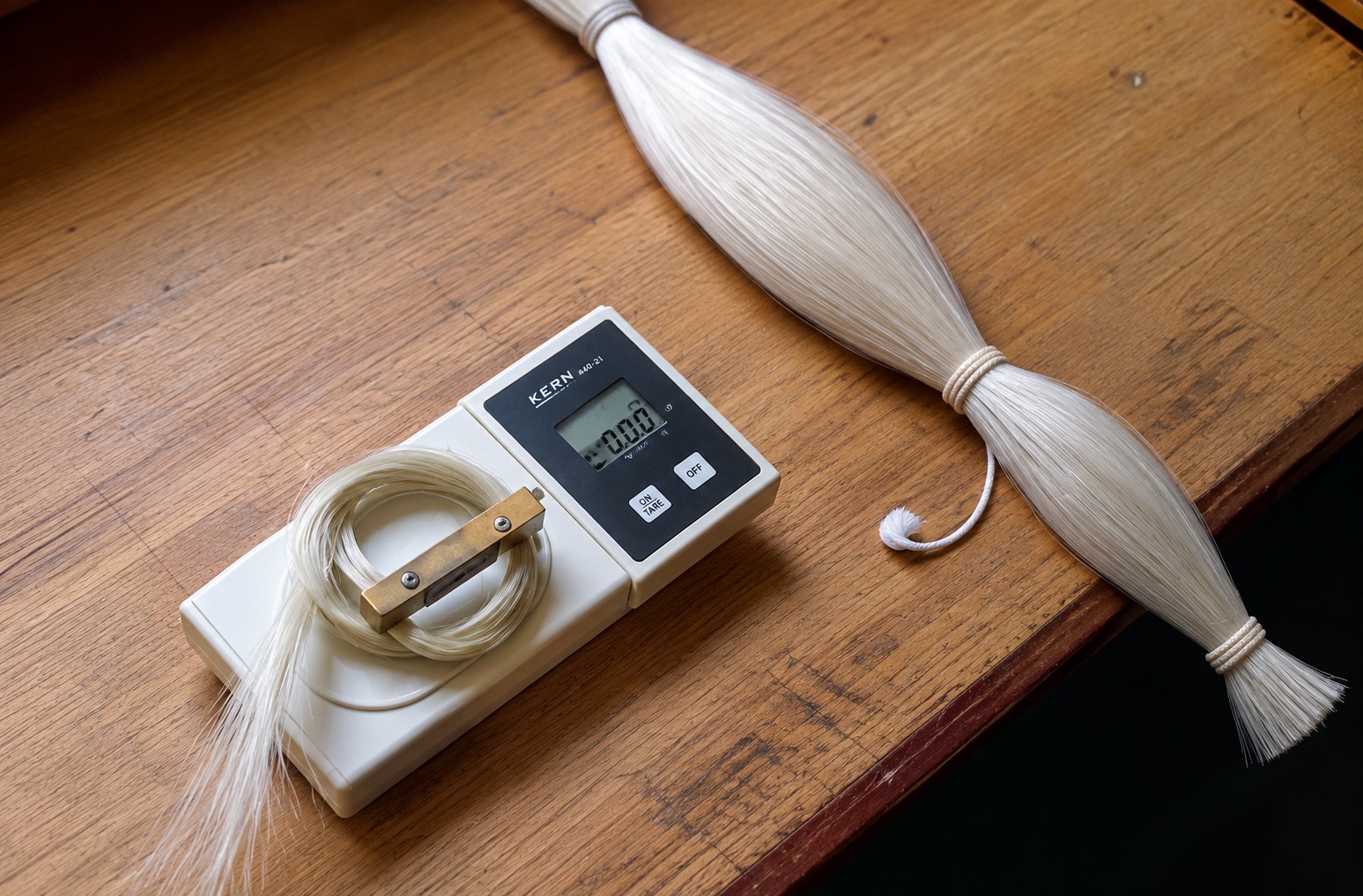
The Art of Determining the Right Amount of Bow Hair. Rehairing bows is an essential part of a bow maker’s work. Although some regard it as a necessary “evil,” I consider it an important and valuable part of my craft. After all, the quality and characteristics of the hair provide the direct means of producing sound on …
Read article →Bow Hair
Grown on the tails of hardy horses to impressive lengths of more than 80 cm and even up to 130 cm, then cleaned, sorted, bundled, and cut to length, bow hair is an essential component of the bow. It provides direct contact between bow and instrument. The most commonly used bow hair …
Read article →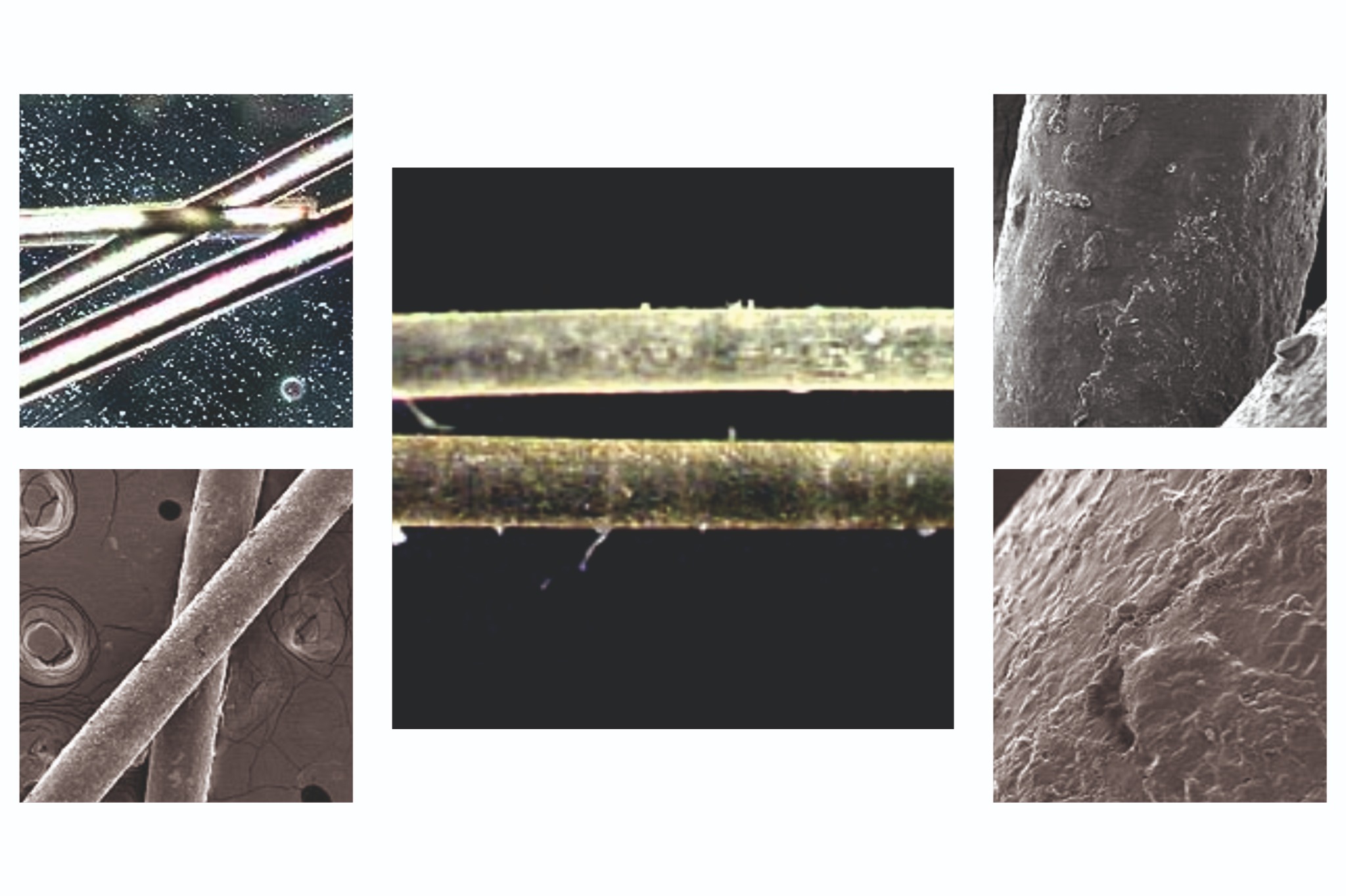
Rosin
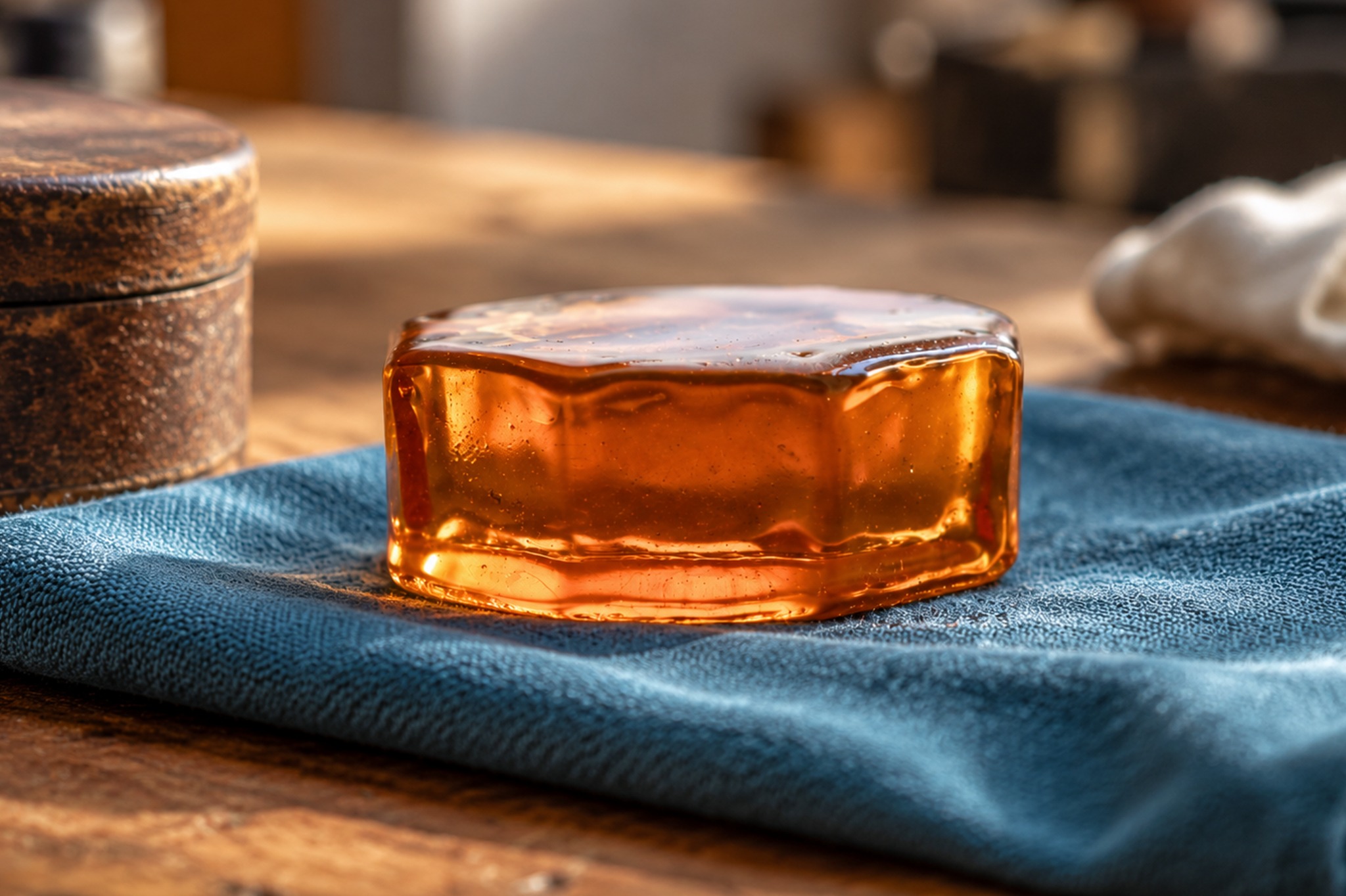
Often neglected and sometimes elevated to a philosophy in its own right, this material makes audible sound possible through contact between string and bow hair. It holds many secrets waiting to be explored. Its name derives from the ancient city of Colophon in Asia Minor, where high-quality rosin was produced in antiquity. After …
Read article →The Origins of the Bow
To explore the origins of the bow, we must first consider the musical bow, which may have developed from the hunting bow. The musical bow, the simplest stringed instrument in the zither family, consists of a flexible curved stick holding a taut cord or string. Still found today among the peoples of southern Africa, South America, and Oceania …
Read article →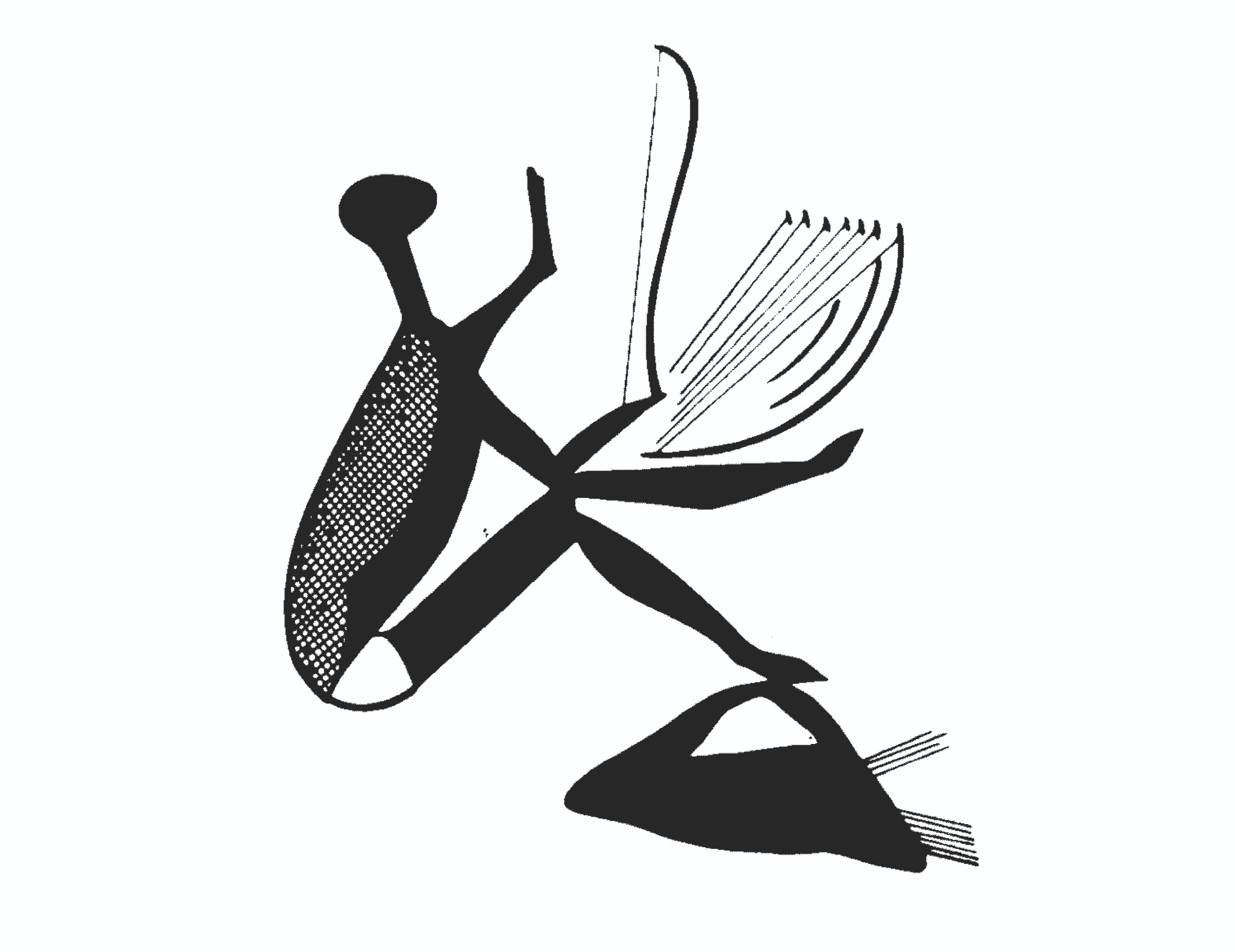
The Bow’s Spread Across Europe
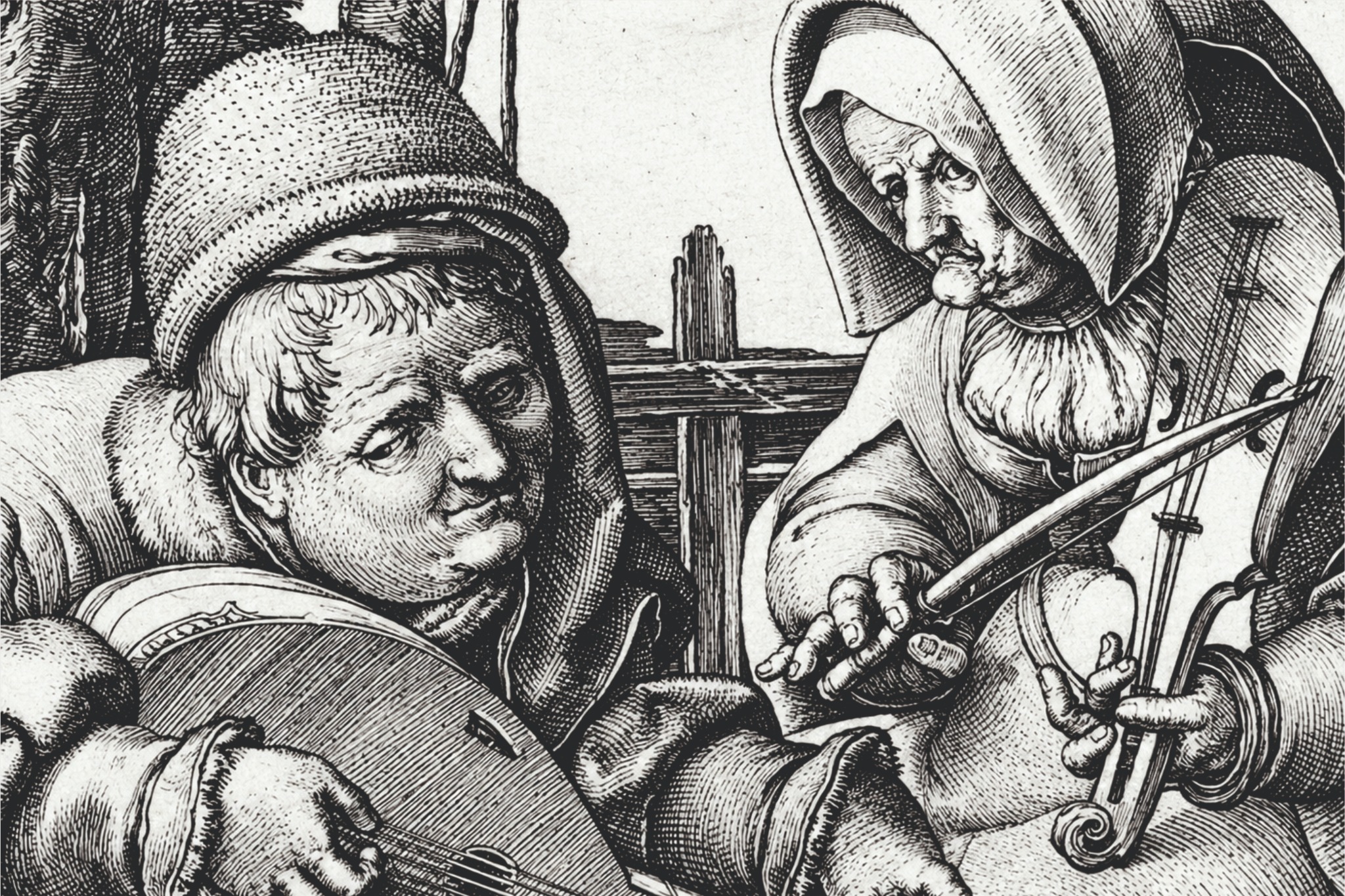
The Spread of the Bow in Europe and Its Development up to the 16th Century
Read article →The Bow, 1770–1900
This period was marked by major political changes that culminated in the French Revolution of 1789. These changes also had a profound effect on musical life. Whereas art music had previously been performed almost exclusively at aristocratic courts, with musicians dependent on their patrons …
Read article →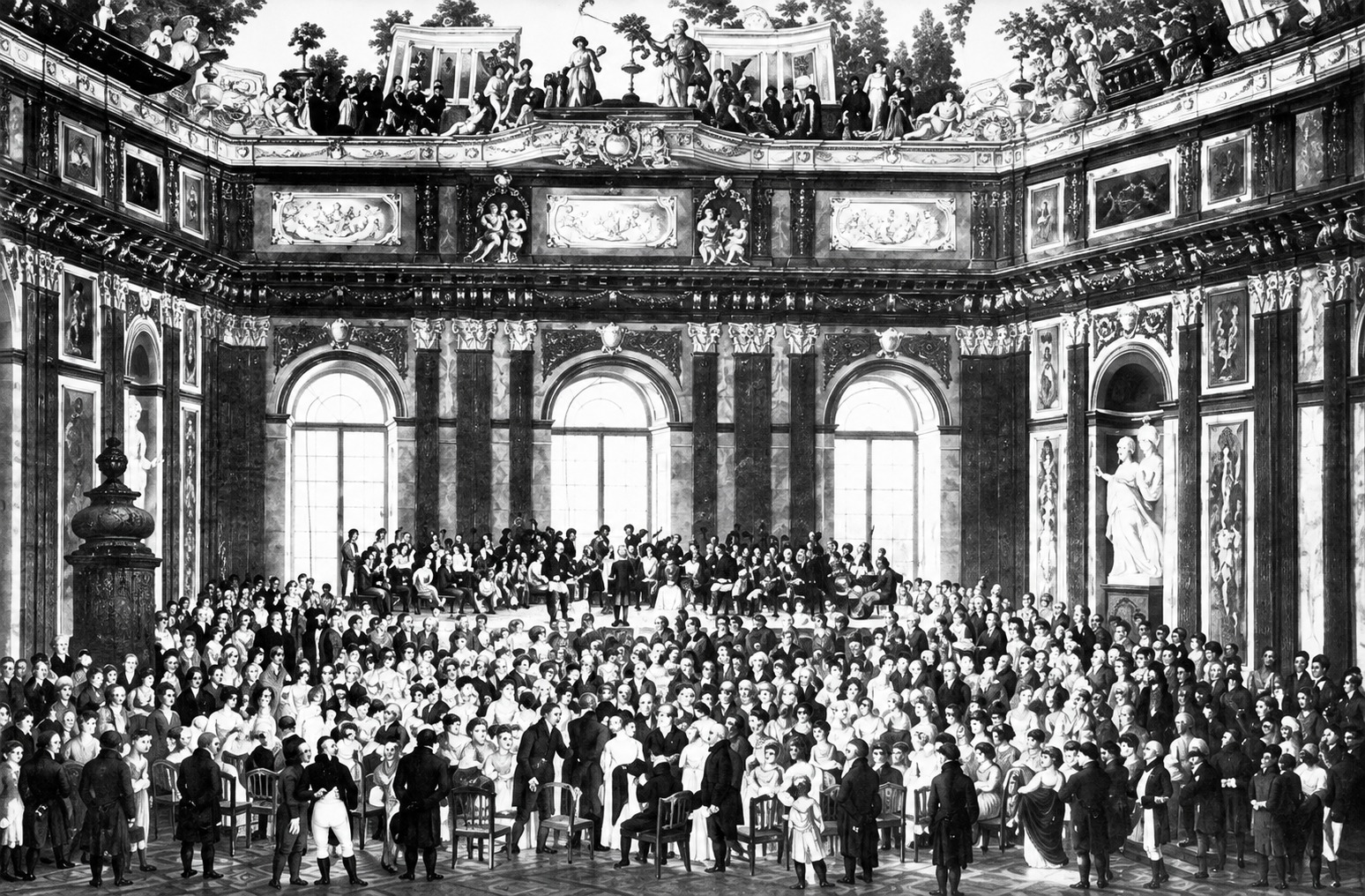
Cramer and Viotti
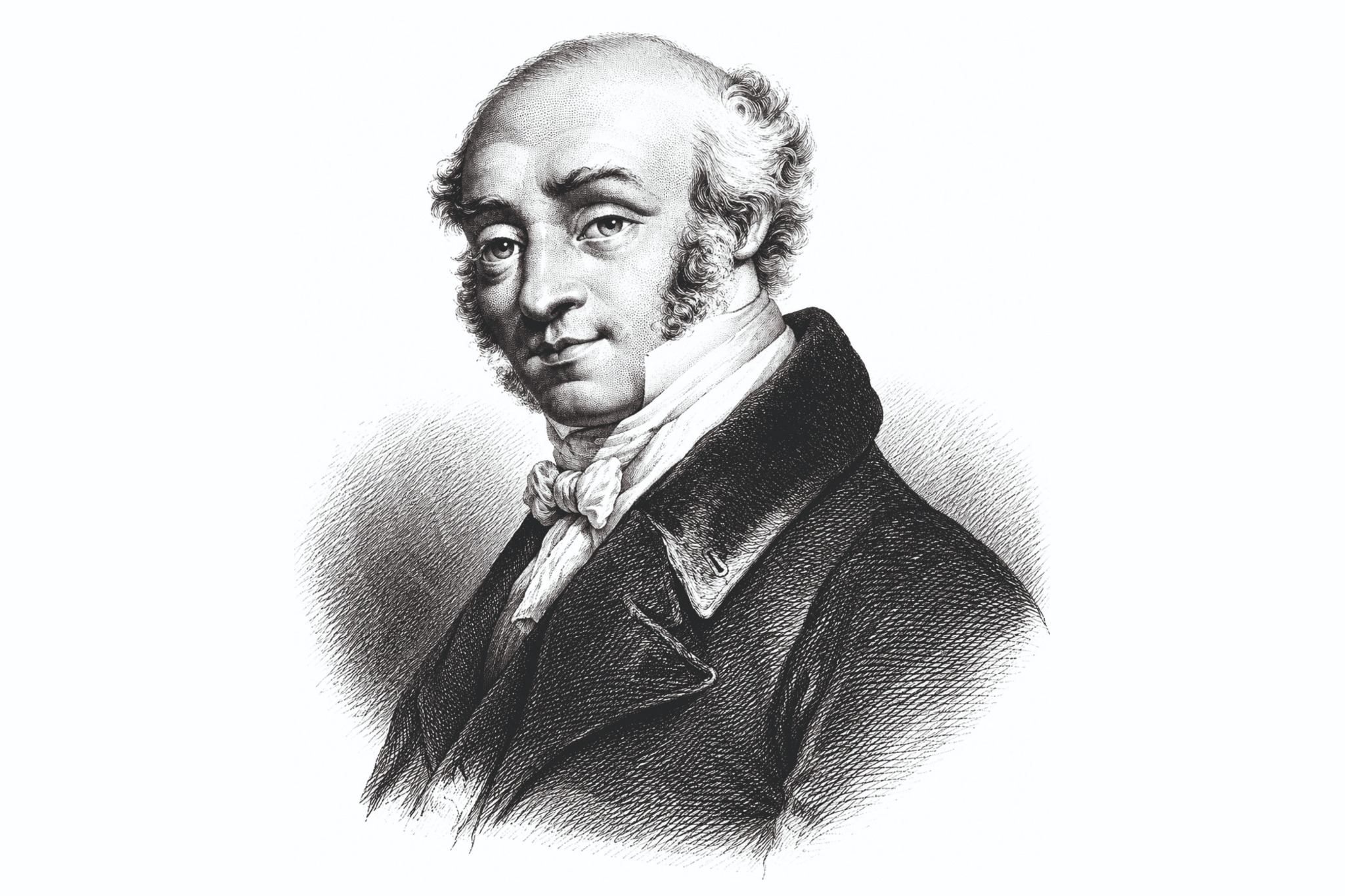
Excerpt from An Attempt to Trace the Development of the Violin Bow: On the Development of Violin Technique, Bow Hold, and Bowing
Read article →The Frog
The bow did not always have a richly decorated frog. In its earliest forms, the hair was tied to the stick at both the tip and the handle end. With its convex, outward-curving stick, this form more closely resembled the weapon of the same name. The playable hair was much shorter than it is today. Even in the early 17th …
Read article →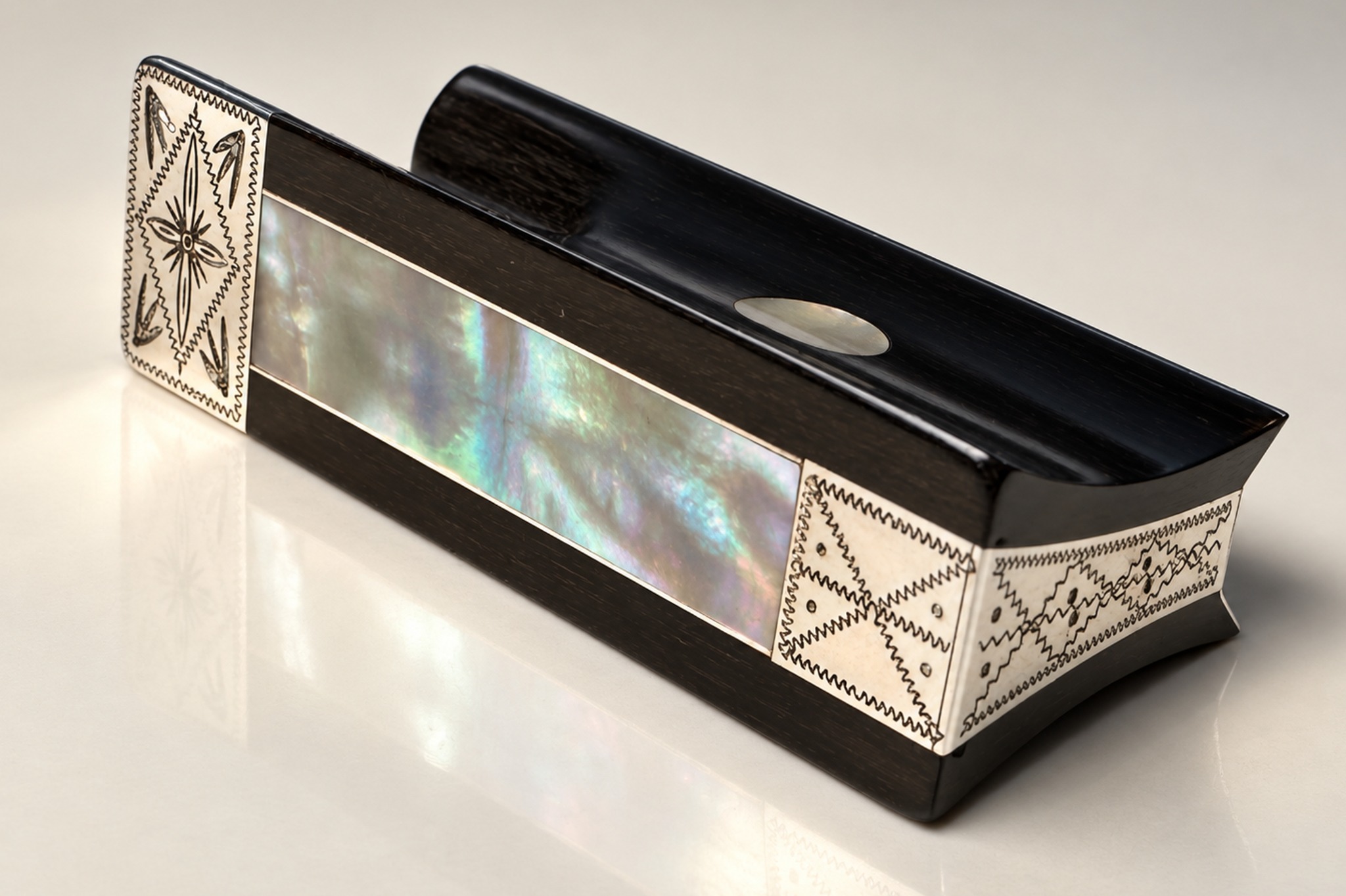
Innovations Since 1900
Interactions Between the Development of Violin Technique and Innovations in Bow Making Since 1900
Read article →The Clip-In Frog Bow
For about 250 years, clip-in-frog bows were used exclusively for all types of European stringed instruments. Around 1500, as late medieval bow types developed further, innovative instrument makers began making bows in which a loosely inserted wooden wedge—the clip-in frog—held the hair away from the stick …
Read article →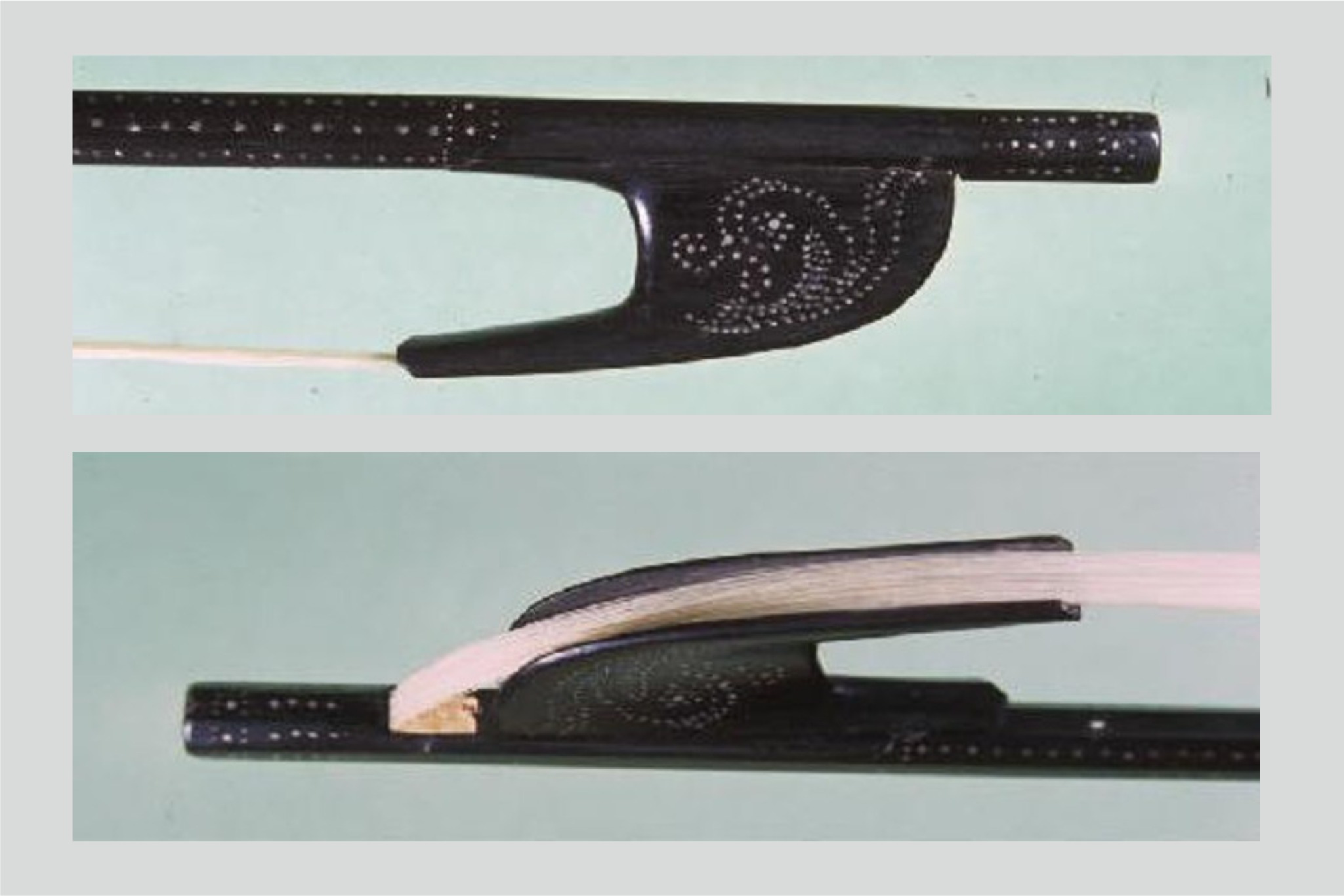
Violin Technique & Bowing
The French and Italian Bow Holds · Bow Strokes in the 17th Century · Arcangelo Corelli · Giuseppe Tartini’s Influence · Leopold Mozart’s Violin Method · The Violinists Wilhelm Cramer and Giovanni B. Viotti · The Paris Conservatoire · Louis Spohr · Niccolò Paganini · Joseph Joachim · The Turn of the Century · The Bow in the Modern Russian School of Violin Playing · Outlook
Read article →