|
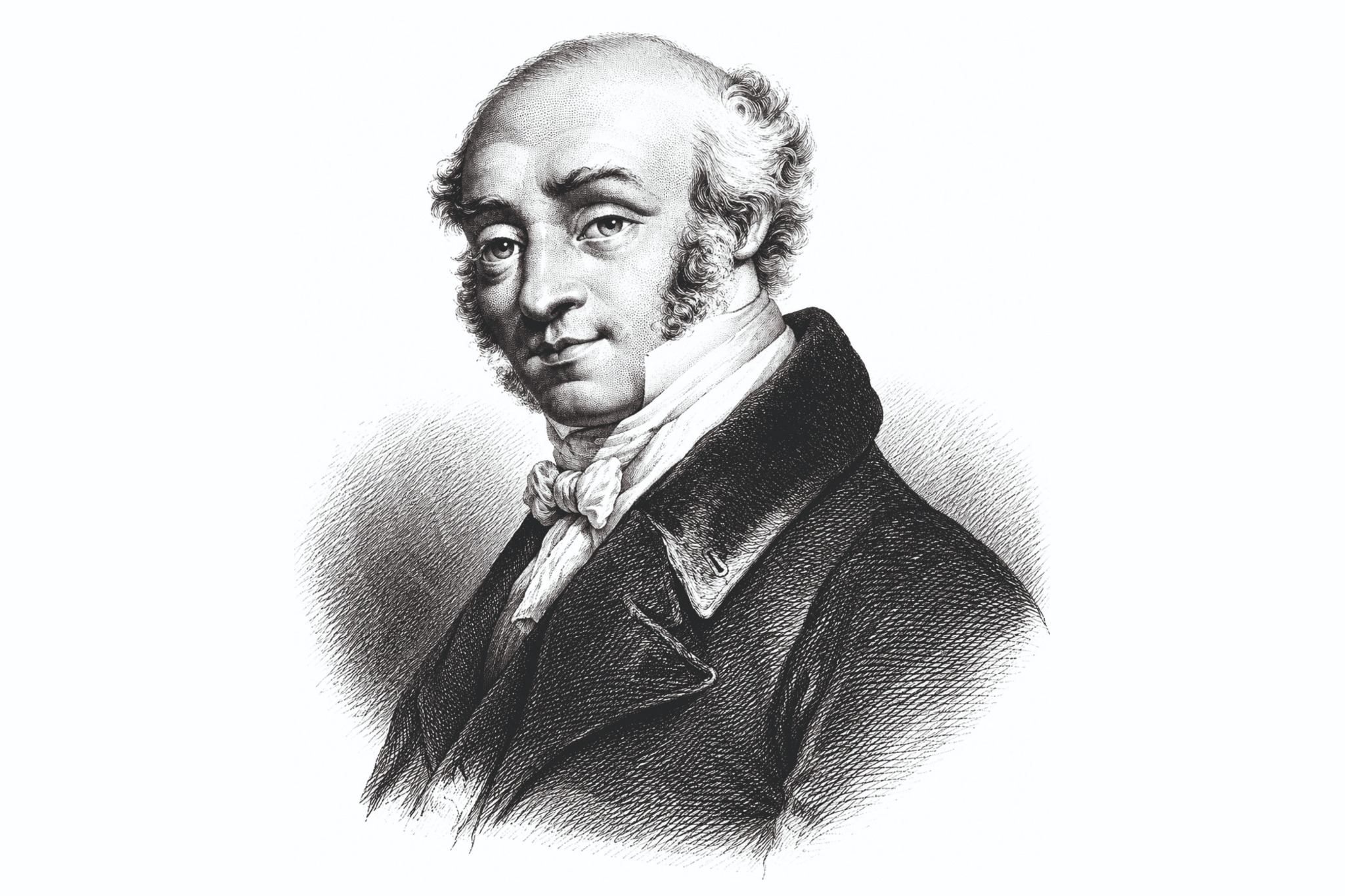
Wilhelm Cramer, the foremost performing artist of the Mannheim school, was born in Mannheim in 1745. From 1757 to 1772, he was a solo violinist in the electoral court orchestra there. At Johann Christian Bach’s suggestion, he went to London in 1773, where he conducted court concerts and became, among other things, leader of the Italian opera orchestra. He also conducted the Concerts of Ancient Music and the annual concerts of the Musical Fund, later the Royal Society of Musicians. “When the Professional Concerts were founded, Cramer was appointed their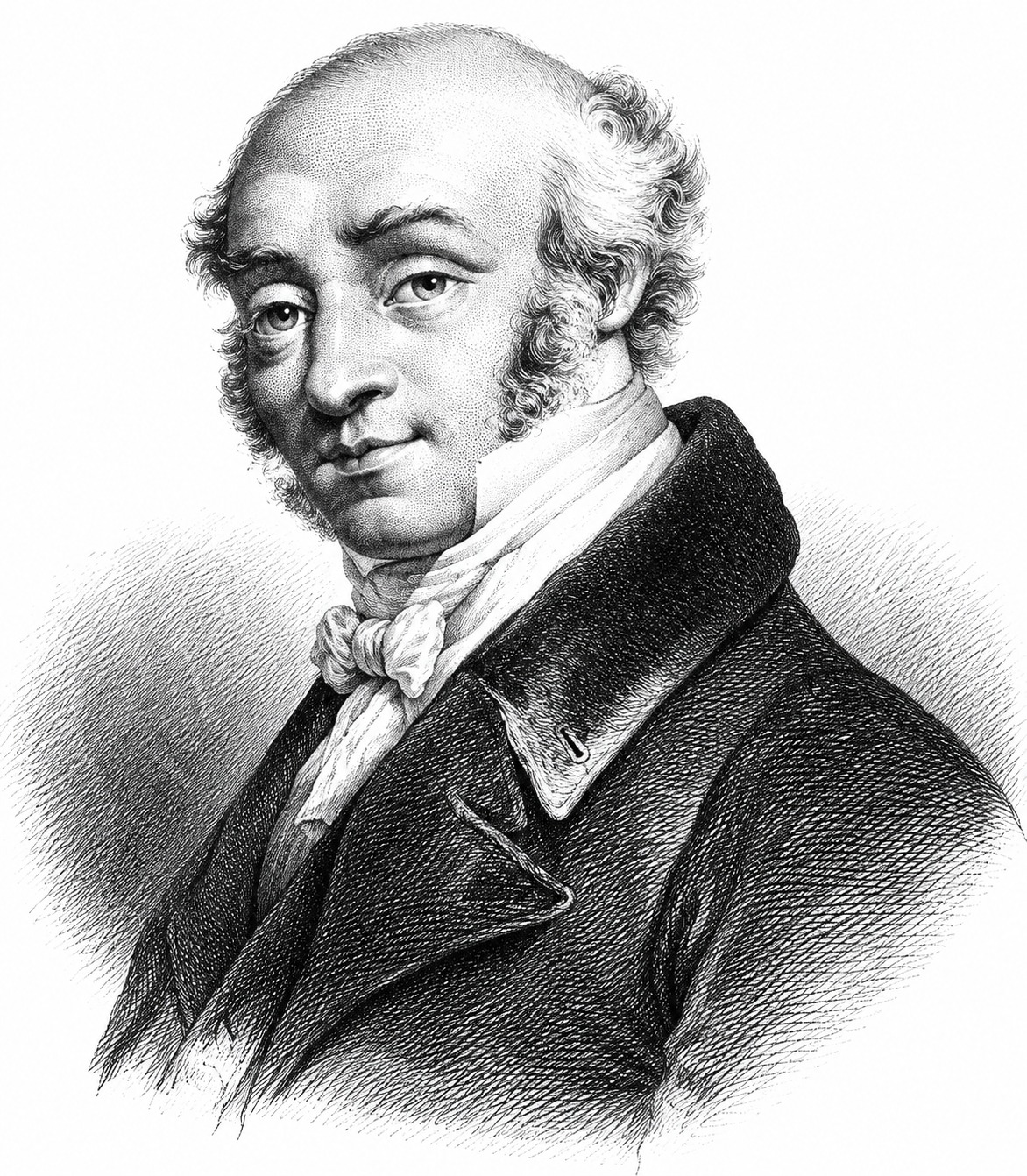 leader and, in that capacity, was able to perform Haydn’s works before the composer himself during his visit to London.” In 1793, a German contributor to the Berliner Musikalische Zeitung wrote: “Cramer plays his own concertos very beautifully, has a good tone, performs very difficult passages with great neatness, and plays with excellent intonation and precision.” Daniel Schubart wrote of him: “Wilhelm Cramer is a violinist full of genius […]. The English call him the foremost violinist in the world. Even if this judgment may be exaggerated, one must concede that he has achieved an admirable degree of perfection on his instrument. His bow stroke is entirely original: unlike other violinists, he does not draw it broadly downward, but carries it over the top, keeping it short and exceedingly delicate. No one articulates the notes with such extraordinary precision as Cramer. He plays very rapidly, as if on wings, and all without strain; yet he is most successful in the adagio, or rather in tenderness and feeling. It may not be possible to perform a rondo more sweetly or with more heartfelt expression than Cramer does.”
Just as Tartini is regarded as a defining influence on the first half of the eighteenth century, Giovanni Battista Viotti (1755–1824) may be seen in the same light for the second half. He is also called the “father of modern violin playing.” Most of his violin concertos were written between 1780 and 1800. They form a bridge between Wolfgang Amadeus Mozart’s violin concertos of 1775 and Ludwig van Beethoven’s of 1806. Viotti already fulfilled all the requirements of a virtuoso-composer. His concertos, however, were not limited to daredevil acrobatics; they combined tone, technique, grace, and drama. His concert tours took him from Italy through Switzerland and the courts of Dresden and Berlin, then via Warsaw to St. Petersburg. At the end of 1781, he left the Russian metropolis and traveled through Berlin to Paris, where he made his debut at the Concert Spirituel on March 17, 1782, with unprecedented success. The effects of the French Revolution led him to leave Paris for London in 1792. There, Wilhelm Cramer suffered considerably from Viotti’s great success. Viotti’s happy period in London soon came to an end, however. Suspected of being a spy in French service, he was ordered to leave London immediately. Deeply hurt and convinced of his innocence, he went to Germany, where he lived for a time in Schenefeld near Hamburg. Among other works, he wrote a violin method there. His guiding principle was: “Le violon, c’est l’archet.” In 1801, he received permission to return to England. This time, however, London gave him a very cool reception, so he made a brief visit to Paris in 1802. Baillot persuaded him to perform at the Conservatoire, where he inspired the greatest enthusiasm. Baillot described his playing at the time as follows: “Everything seemed to flow effortlessly, gentle yet energetic. With the greatest élan, he soared into the realms of inspiration. His tone was magnificent and sweet, yet at the same time as steely as if the delicate bow were wielded by the arm of Hercules!” His influence on French violinists was immense. Through his pupils Pierre Rode, Alday, and Labarre, a brilliant era of violin playing began in Paris. Rodolphe Kreutzer and Baillot also owed him a great deal.
Anke Gerbeth |